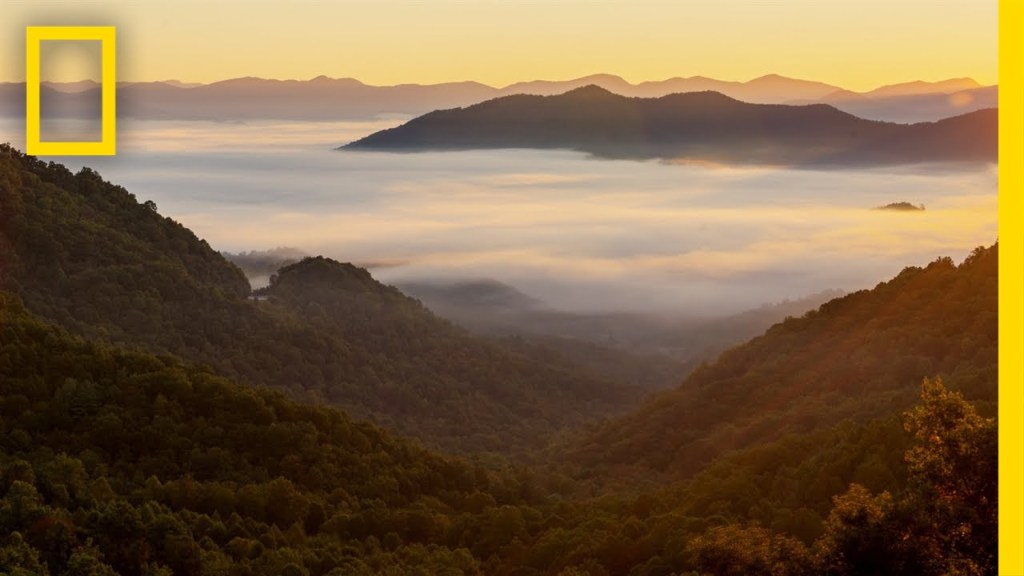
Any form of visitor use has an impact on the environment. Increase visitor use in the park and the excessive car use, has put a decrease in the air quality; specifically The fossil fuels in the air: coal, oil, and gas. These fuels produce a particle that is harmful towards the night sky and the visibility (National Park Service, 2019). Not only is the pollution affecting the visibility in the park but it is also affecting the ecosystem; humans have a big impact on the environmental factors.
“In a 1996 survey, 74% of summer visitors to the Smokies said clean air was extremely important to them.”
(National Park Service, 2019)
It’s important to understand the visitors experience and the change that is to be made, if it will be acceptable or not.
Impacts
Human-caused factors, air and water pollution, has had a significant impact on the environment (National Park Service, 2015).
“Different impacts may be more pronounced at different levels of use.”
Lecture-Visitor and Manager Perceptions of Environmental Impacts
There are four impacts that can be effected due to pollution; vegetation, soils, wildlife, and water. As a manager you have to determine if there is a significance among the impacts and visitor experience among the park.
“The outcome of a recreation experience can affect future engagement.”
Lecture-Conflict: Definitions and Management Challenges

Managers Point-Of-View
The National Park Service is using permits to keep high pollution sources 120 miles away from the high risk areas of the park. The Park service is also working with other agencies to develop a plan that will prevent damage occurring in the future (National Park Service, 2019). The park staff are constantly checking threats that are destructive to the wildlife as well of visitors taking part in recreation (National Park Service, 2015).
How do we manage this issue? By looking at the Management-By-Objectives Frameworks, we can understand how much change is acceptable in order to improve the visitors experience. It’s a five step process: establish management objective, identify indicators/thresholds, monitor indicators, implement actions, repeat steps 3 and 4. As a park, establishing bus transportation in and out of the park; visitors are to park in a designated area for park users as they use the park transportation. This helps to decline the use of automobiles in the park as well as a decline in gas pollution.
Having signage throughout the park, displaying the dangers pollution has on the plants and wildlife, brings more awareness to the situation. Educating the visitors on what is acceptable while visiting the park will help decline the activities that promote human-made pollutions.

Social Media
Providing a social media account, through Facebook and Instagram, allows management to reach out to different age groups who are interested in Great Smokey Mountain National Park. Social media should be a way to target an audience to gain more information on the park as well as dangers that the park might be facing. Those who are following the accounts are more likely attending the park frequently. This gives them more information and the opportunity to take a positive action to the problems the park faces; being more awareness to the issues.
References
National Park Service. (2019). Air Quality. Retrieved from https://www.nps.gov/grsm/learn/nature/air-quality.htm
National Park Service. (2015). Environmental Factors. Retrieved from https://www.nps.gov/grsm/learn/nature/environmentalfactors.htm
Zachary Miller. (October 25, 2019). Lecture-Management-By-Objectives Frameworks
Zachary Miller. (October 7, 2019). Lecture-Recreation Ecology: Impacts and Management
Zachary Miller. (October 27, 2019). Lecture-Conflict: Definitions and Management Challenges
Zachary Miller. (October 9, 2019). Lecture-Visitor and Manager Perceptions of Environmental Impacts
Zachary Miller. (November 18, 2019). Lecture-Social Media in Parks and Conservation Areas
 Pollution and The Effects It Has On Visitor Use In Great Smokey Mountains National Park.


